How the analysis works
GlowJourney combines what you tell us with what a vision model can see in your photo, and it tells you how sure it is at each step. Here is exactly what happens.
1. Undertone
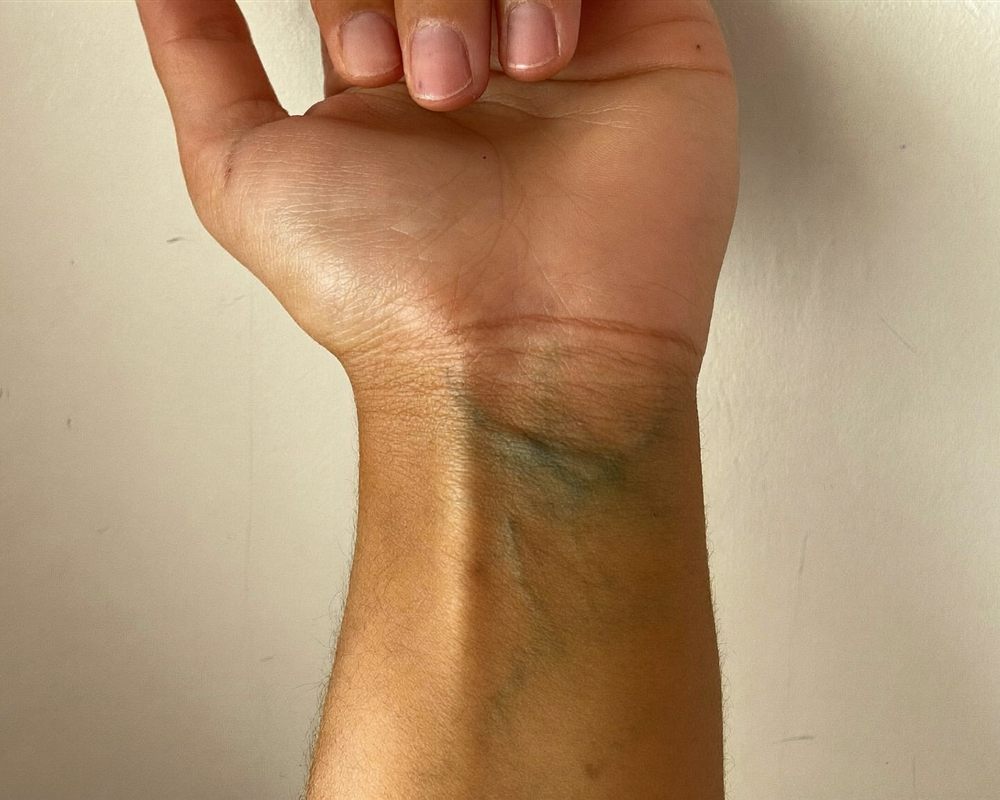
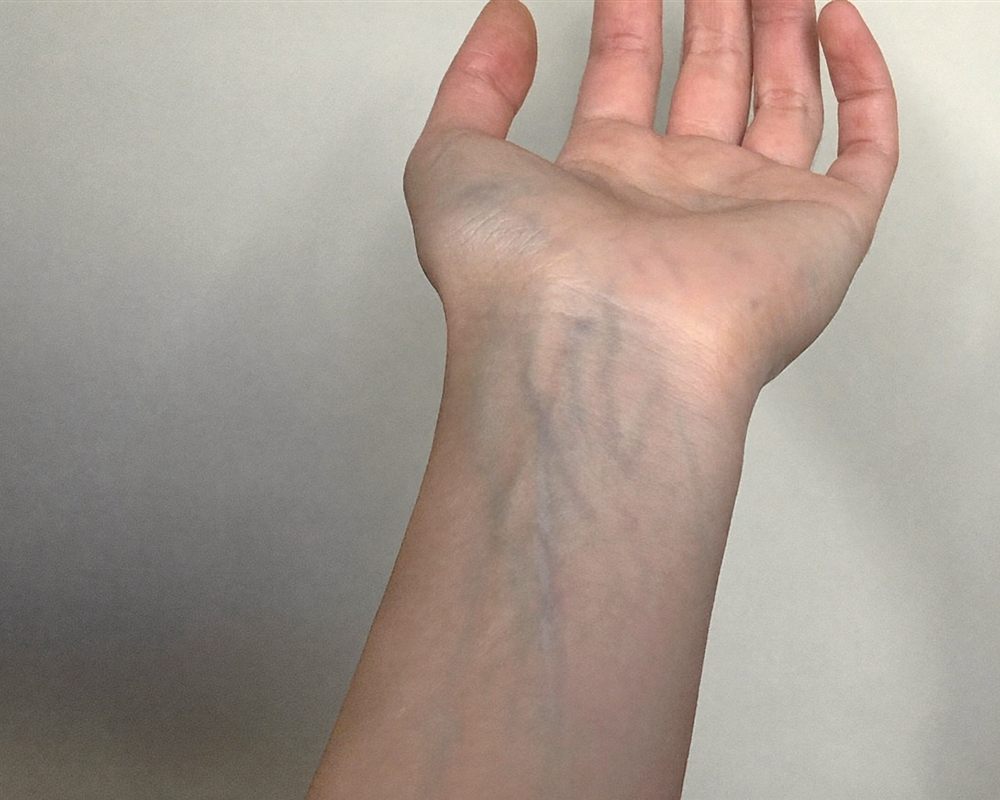
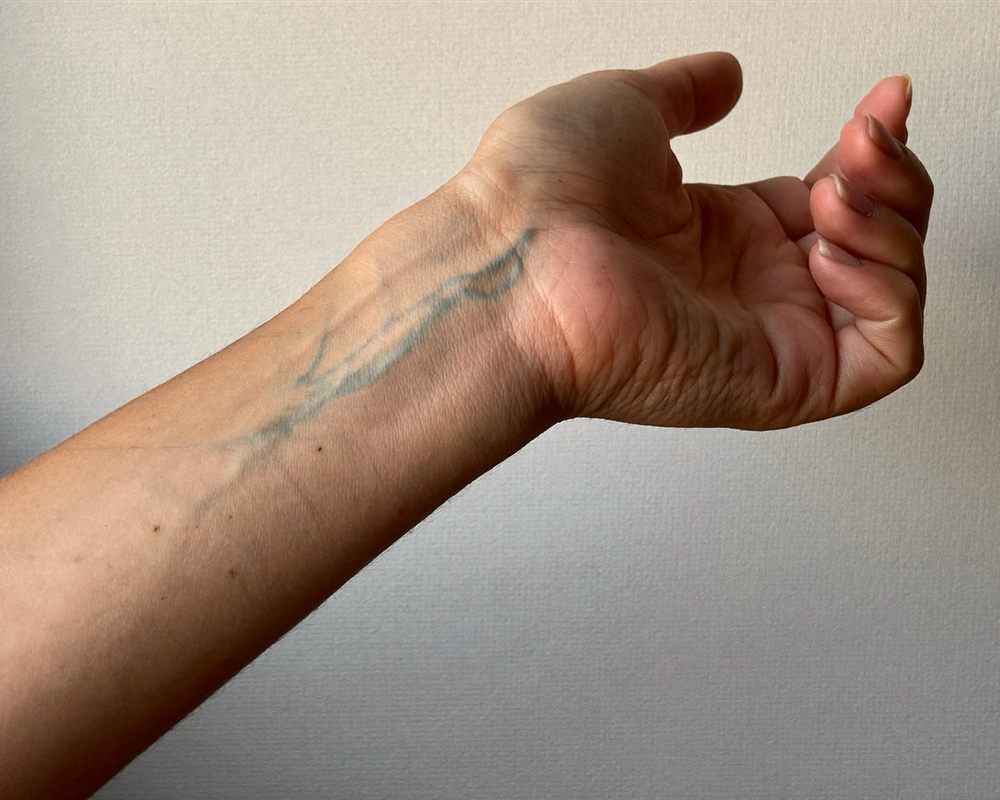
Undertone is the warm, cool, neutral or olive cast under your skin. It is the hardest thing to read from a phone photo because white balance and indoor lighting shift skin colour. So we combine four signals: your wrist-vein colour, whether gold or silver flatters you, whether white or cream flatters you, and the photo itself. When the four agree, confidence is high. When lighting is warm or mixed, we lower the confidence and say so, and we suggest the white-paper test in daylight to double-check.
2. Colour season
We use the twelve-season system that colour analysts use in person: undertone (warm/cool), depth (how light or deep your hair, eyes and skin are together) and chroma (how clear or soft your colouring is). Those three dimensions place you in one of twelve seasons, e.g. Soft Autumn or Deep Winter, and the season decides which lip, blush and eye shades lift you and which drain you. Hair and eye colour come from your answers; depth and contrast are read from the photo.
Light Spring
Spring · warm & light
True Spring
Spring · warm & clear
Bright Spring
Spring · warm & bright
Light Summer
Summer · cool & light
True Summer
Summer · cool & soft
Soft Summer
Summer · cool & muted
Soft Autumn
Autumn · warm & muted
True Autumn
Autumn · warm & rich
Deep Autumn
Autumn · warm & deep
Deep Winter
Winter · cool & deep
True Winter
Winter · cool & clear
Bright Winter
Winter · cool & bright
3. Face and eye shape
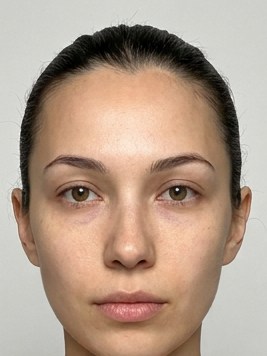
Face shape and eye shape are read from facial proportions in the photo. They decide where a look is placed: where blush sits, how shadow is blended for hooded lids, and where your brows should start, peak and end.
Face shapes
Oval
Balanced, slightly longer than wide
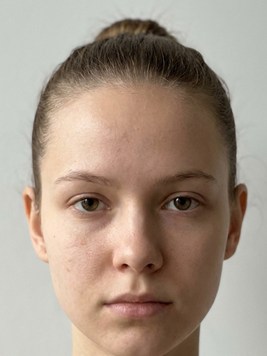
Round
Width close to length, soft jaw
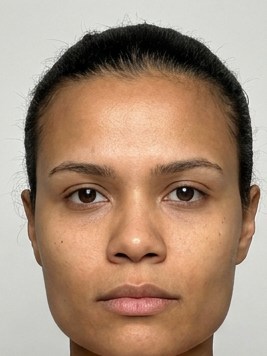
Square
Straight sides, angular jaw
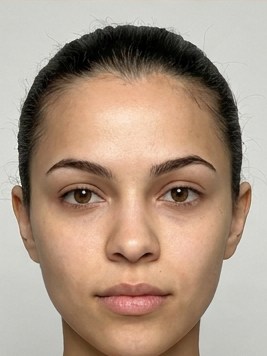
Heart
Wide forehead, narrow chin
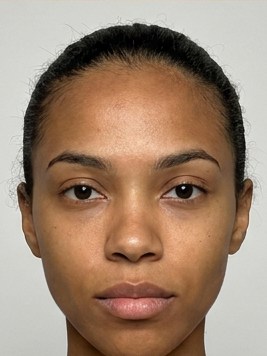
Diamond
Cheekbones widest, narrow brow and chin
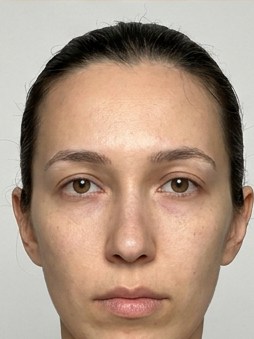
Oblong
Clearly longer than wide
Eye shapes
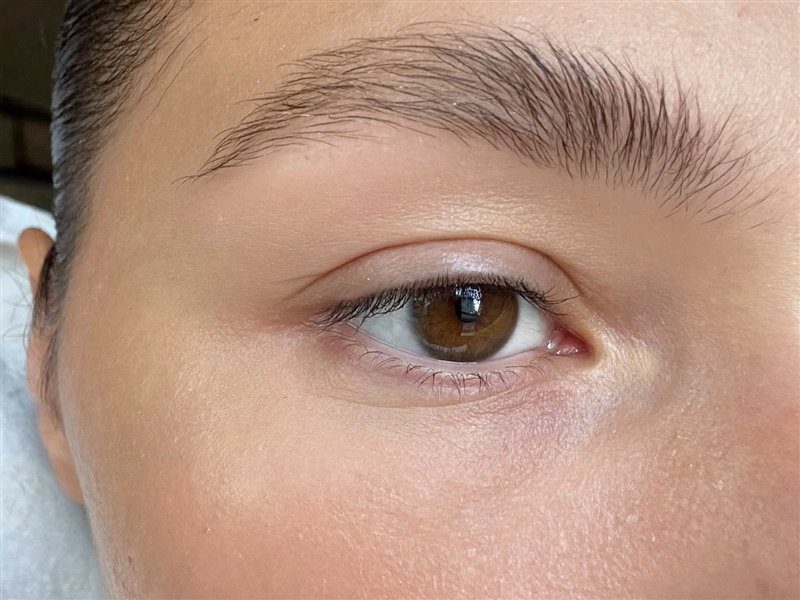
Almond
Pointed corners, even lid
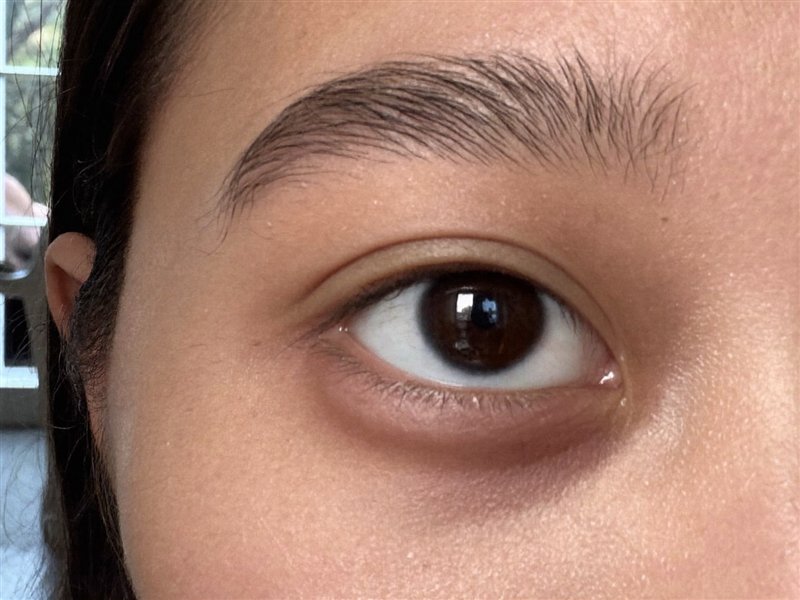
Round
Open, curved top and bottom
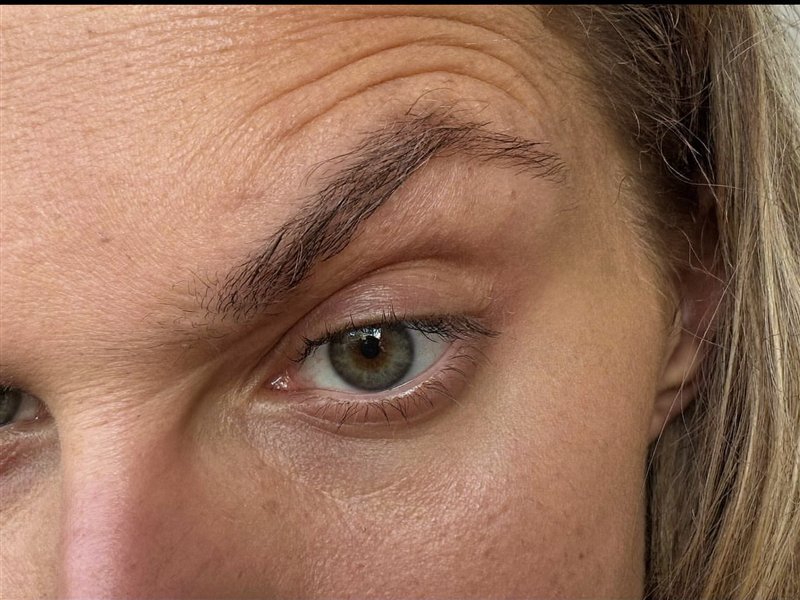
Hooded
Skin folds over the lid
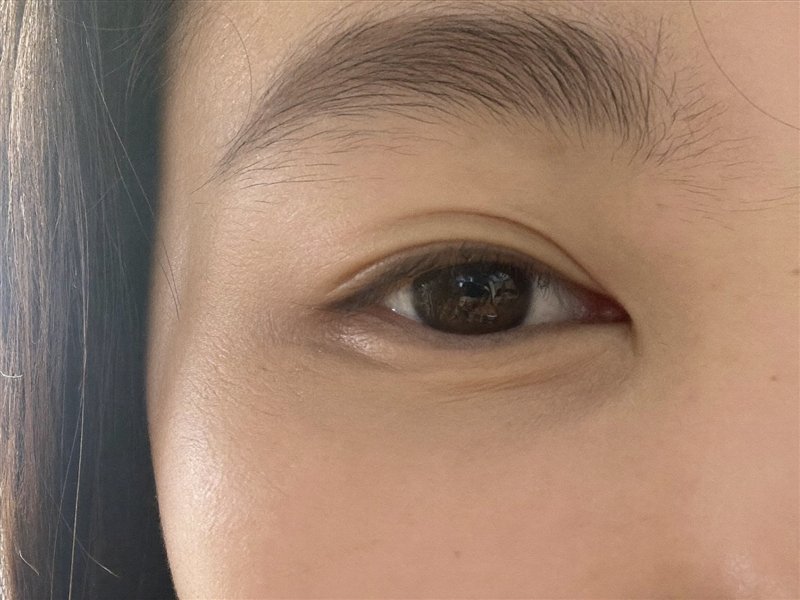
Monolid
No visible crease
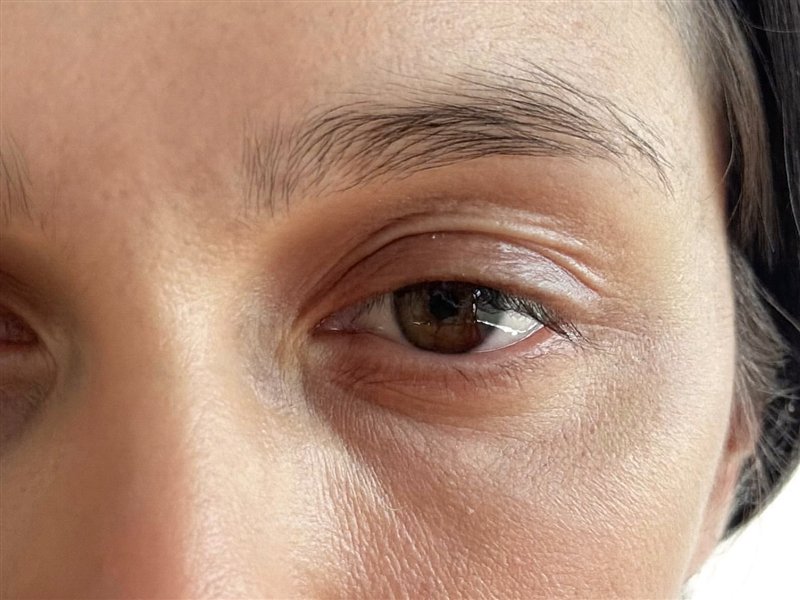
Downturned
Outer corner sits lower
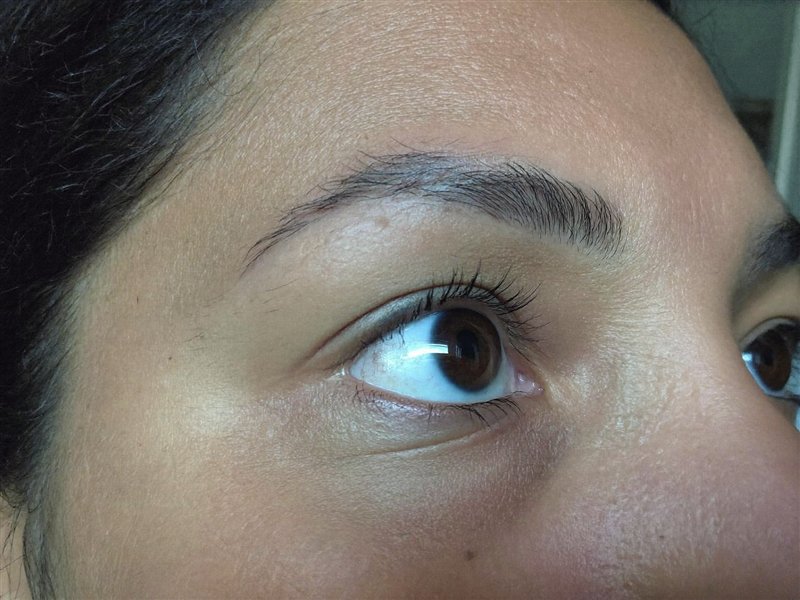
Upturned
Outer corner lifts
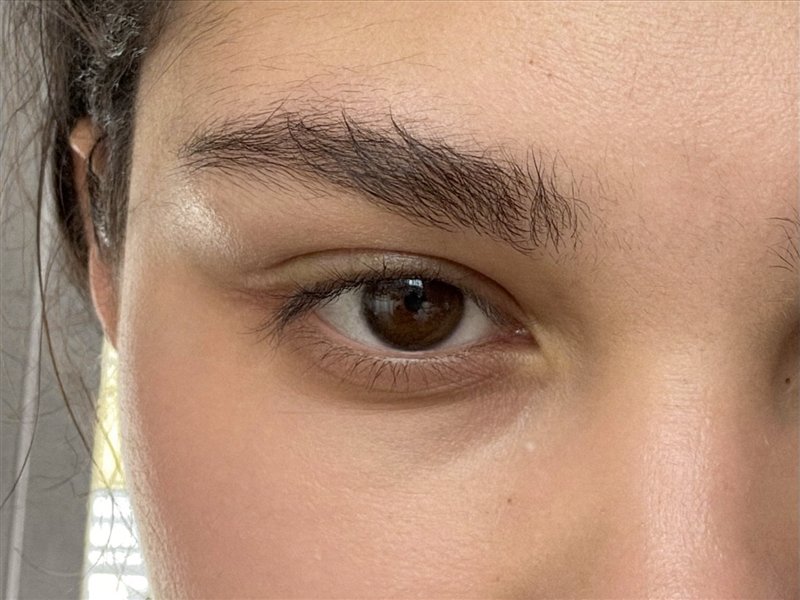
Deep-set
Set back, strong socket line
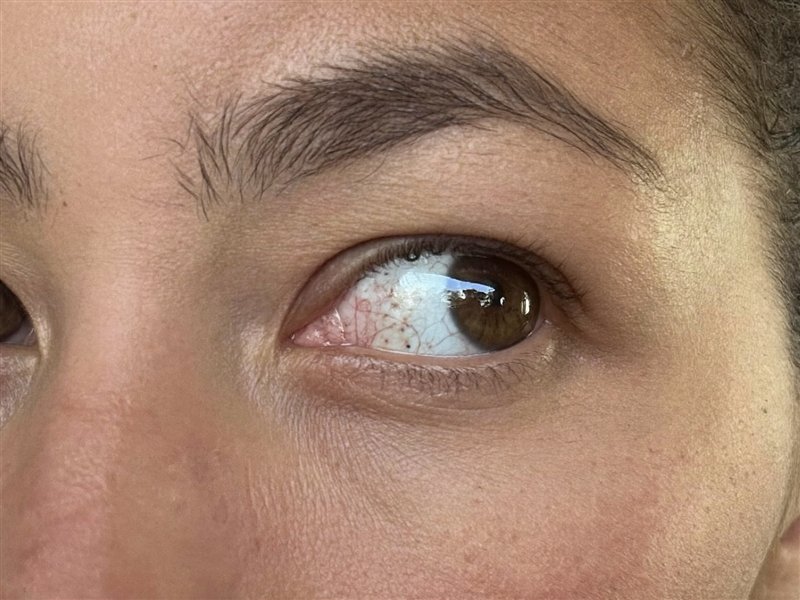
Protruding
Lid shows more, curves out
Reference photos are AI-generated sample faces, not customers. The small drawing on each shows the one thing to look for.
Where brows should sit
4. Skin
Skin type comes mainly from your answers (how skin feels after washing, how makeup behaves by midday, how it reacts to new products), because a photo cannot tell dryness from shine reliably. The photo adds cosmetic observations only, such as redness or under-eye shadows. Your routine and product picks are built around your stated priorities and sensitivity. This is cosmetic guidance, not medical advice; we tell you when to see a dermatologist.
5. Products
Suggestions are matched to your undertone, depth and skin first and your budget second, and always include a cheaper equivalent. They are real, widely available products, but shade names change and skin is personal, so treat them as a shortlist: try in store or buy two shades and keep one. Some links are affiliate links; that never changes what we suggest.
6. The look on your face
The rendered look is your real photo with makeup added by an image model under strict instructions: same person, same face shape, same skin texture, same hair and background. It is a preview to help you decide, not a promise, and it is labelled as a render.
What we do not do
- We never rate how attractive anyone is. Scores are only ever about how well a colour or a look suits you.
- We never reshape faces or bodies in renders.
- We do not keep your photo after the analysis and we never use it to train models.
- We do not diagnose skin conditions.
Limits, honestly
Colour analysis is a craft with judgement in it; two human analysts can disagree at the edges between seasons. A phone photo makes undertone harder still. That is why every guess comes with a confidence level and a way to check it yourself, and why the palette is presented as families of shades rather than a single “correct” colour.